
An exhaustive, multi-chapter exploration into how Ubisoft Montréal redefined the action-adventure genre. We deconstruct the architecture of the Palace of Azad, the mathematical precision of the “Rewind” mechanic, and why the Prince’s confession remains the gold standard for video game storytelling.
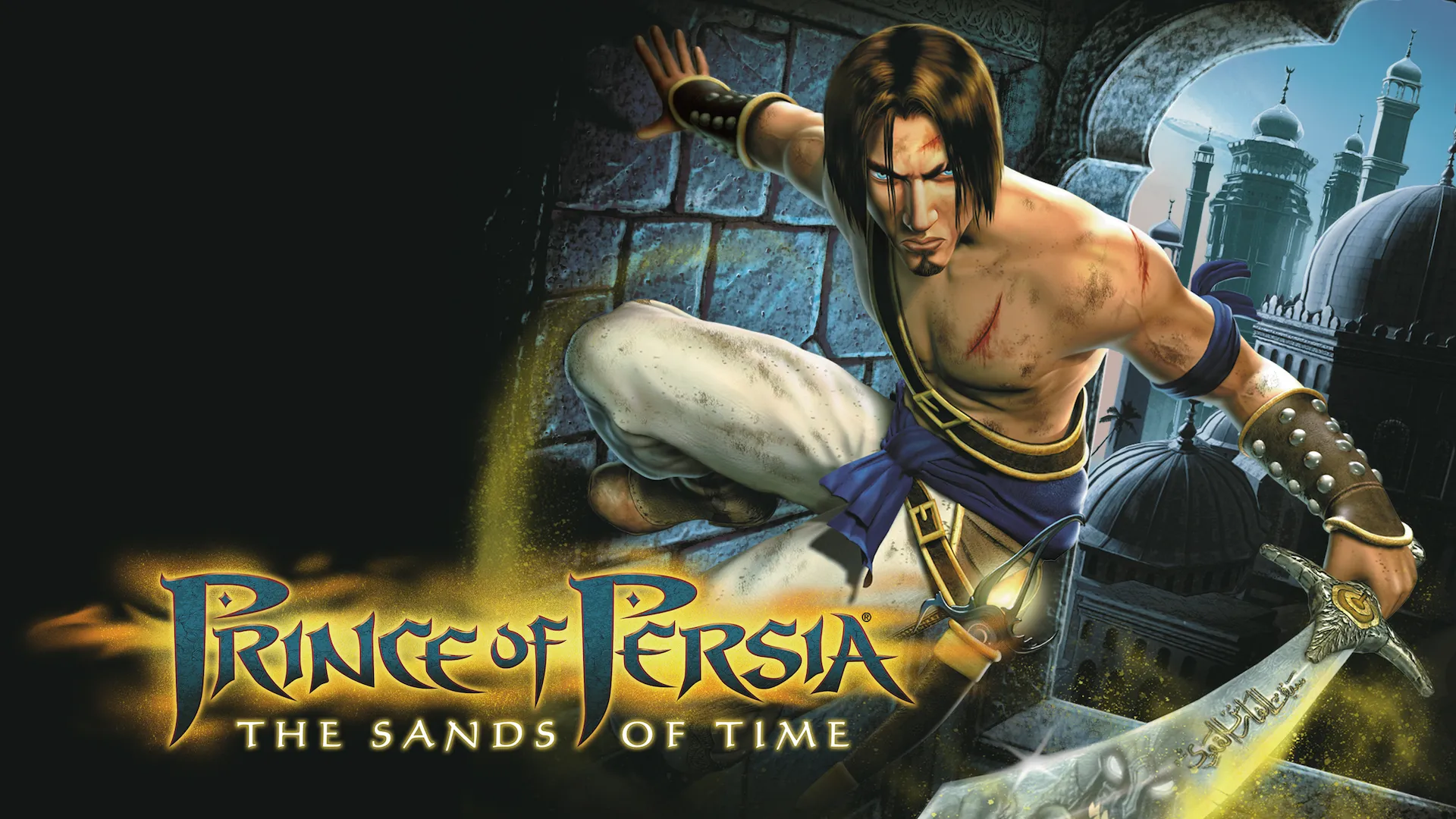
1. The Prologue: A Narrative Masterstroke in First-Person Hindsight
Most games begin with a tutorial; The Sands of Time begins with a confession. The Prince sits in the dark, speaking to an invisible listener (who we later discover is Farah), framing the entire game as a story he is telling. This isn’t just a framing device—it’s a gameplay mechanic.
When the player fails, the narration cuts in: “Wait, wait… that isn’t how it happened.” This creates a seamless loop between player error and character history. In terms of UX Design, this is the ultimate “Soft Fail.” Instead of a jarring “Game Over” screen that breaks immersion, the game treats your death as a lapse in the storyteller’s memory. This keeps the player’s heart rate up without the frustration of reloading a save file.
- List Item #1
- List Item #1
- List Item #1
2. The Mechanics of the Dagger: Weaponized Regret
The Dagger of Time is the most iconic “Utility Weapon” in gaming history. It isn’t just for stabbing; it is the player’s remote control for reality. In 2003, the ability to “Rewind” was a technical miracle. It required the engine to constantly cache the last 10 seconds of every object’s position in the game world.
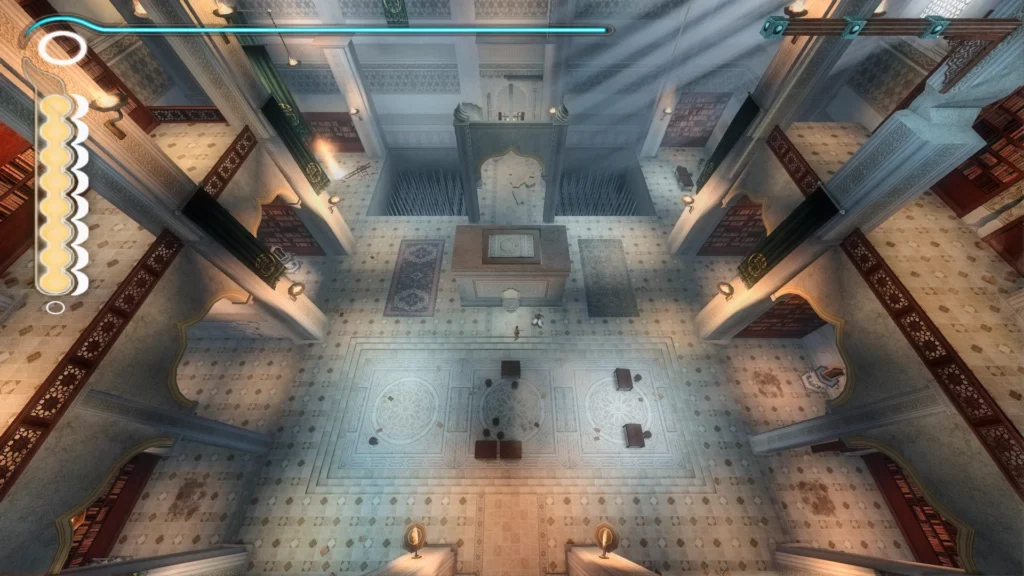
Lorem ipsum dolor sit amet, consectetur adipiscing elit. Ut elit tellus, luctus nec ullamcorper mattis, pulvinar dapibus leo.
javascript

// A conceptual look at the 'Sand Tank' logic
function checkSandResource(action) {
  if (currentSandTanks > 0) {
    executeTimeManipulation(action);
    currentSandTanks--;
  } else {
    playAudio("No_Sand_Warning.wav");
    enablePermadeath(true);
  }
}
H3 heading spacing test
Lorem ipsum dolor sit amet, consectetur adipiscing elit. Ut elit tellus, luctus nec ullamcorper mattis, pulvinar dapibus leo.